
Regular generators are loud. You know the sound. That constant drone that annoys neighbors and makes conversation impossible. A silent gasoline generator is different. It has an insulated enclosure. Better mufflers. Vibration dampening mounts. The noise level drops from 90 decibels to around 60 — about the same as normal conversation. Here is what you need to know before buying one.
Insulation absorbs sound instead of letting it escape
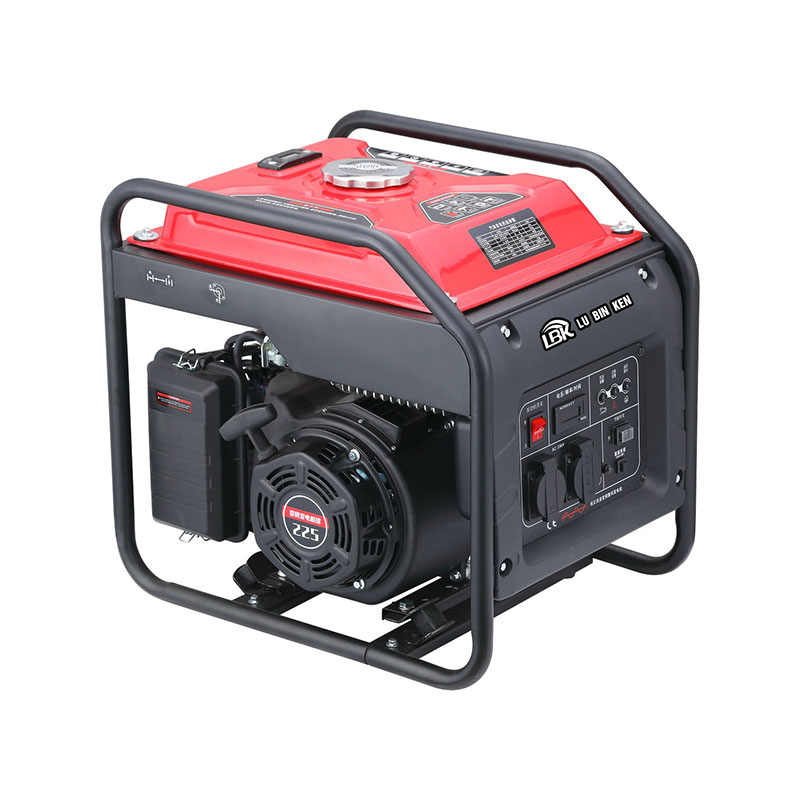
A silent gasoline generator looks different from a regular one. It has a metal or plastic casing around the engine. Inside that casing is soundproofing foam or fiberglass. The foam traps noise. What escapes is much quieter.
The insulation also keeps heat in, so silent gasoline generator models need bigger cooling fans. Better fans, more airflow, still quiet. It is a balancing act.
The muffler is larger and more efficient
A regular generator has a small muffler, like a lawnmower. A silent gasoline generator has a larger automotive-style muffler. Some have double chambers. The exhaust gases bounce around inside. Sound energy gets absorbed. What comes out is a low hum instead of a loud pop.
Anti-vibration mounts stop noise from traveling through the ground
The engine vibrates. That vibration travels through the frame, through the ground, into your neighbor's house. A silent gasoline generator sits on rubber mounts. The rubber absorbs vibration before it spreads. You feel less shaking. The ground stays quiet.
Campgrounds with noise restrictions
Many campgrounds have quiet hours. 10 PM to 7 AM. No loud generators allowed. A silent gasoline generator gets you through the night. You run the heater. You charge phones. Nobody complains.
Residential neighborhoods during power outages
Power goes out. You need lights, refrigerator, maybe a sump pump. A regular generator wakes the whole block. A silent gasoline generator runs quietly. Your neighbor sleeps. Your power stays on.
Job sites near offices or hospitals
Construction near a hospital? Office building open during work hours? A silent gasoline generator keeps workers productive without disturbing everyone inside.
Here is where a silent gasoline generator works good:
Noise rating in decibels, measured at a standard distance
Check the decibel rating. A silent gasoline generator should be 60 dB or lower at 7 meters. Anything above 70 dB is not silent. The marketing might say "quiet." Look at the number.
For comparison:
Run time matters because you do not want to refuel at 2 AM
A silent gasoline generator with a small tank runs for 4 to 6 hours. Then it stops. You wake up. You go outside in the dark. You refuel. Not fun.
Look for 8 to 12 hours of runtime at half load. Enough to sleep through the night.
Fuel efficiency affects runtime and how often you refuel
Quiet generators tend to be more fuel efficient. The engine runs at a lower speed. Less noise. Less gas. A silent gasoline generator might run 8 hours on 2 gallons. A regular generator might need 4 gallons for the same runtime.
The insulation traps heat and the engine overheats
Cheap silent gasoline generator products have soundproofing but poor cooling. The engine runs hot. The oil breaks down. The generator shuts off. You are in the dark.
A good unit has a thermostatically controlled fan. The fan runs only when needed. Saves power. Keeps engine cool.
The muffler clogs and power drops
Low-quality mufflers use cheap materials. They rust inside. Pieces break loose. The exhaust gets blocked. The generator loses power. It might still run, but your lights dim when the fridge kicks on.
The fuel tank cracks from vibration
The tank is plastic. Cheap plastic. Vibration from the engine stresses the tank. Cracks form. Gas leaks. Now you have a fire hazard.
A silent gasoline generator from a reputable brand uses reinforced tanks. Thicker walls. More resistant to cracking.
A silent gasoline generator costs more than a regular one. Usually 50 to 100 percent more. You pay for insulation, a better muffler, and vibration damping. Worth it if you need quiet. Not worth it if you are camping alone miles from anyone.
For homeowners in neighborhoods, the extra cost makes sense. Your neighbors will thank you. For campgrounds with rules, a quiet generator is the only choice. For job sites near noise-sensitive areas, it is a requirement.
Check the decibel rating. Look at runtime. Get one with good cooling. Avoid the cheap options. A quiet generator that overheats or cracks its fuel tank is not a bargain. It is a problem waiting to happen. Spend a little more. Get a reliable one. Your ears and your neighbors will appreciate it.



 رقم 532، شارع شين، بلدة شينتشياو، منطقة لوتشياو، مدينة تايتشو، مقاطعة تشجيانغ، الصين
 [email protected]
 +86-13656559509
حقوق الطبع والنشر © Taizhou Lubin Electromechanical Co., Ltd. جميع الحقوق محفوظة.



 sa
sa English
 русский
 عربى
عربى